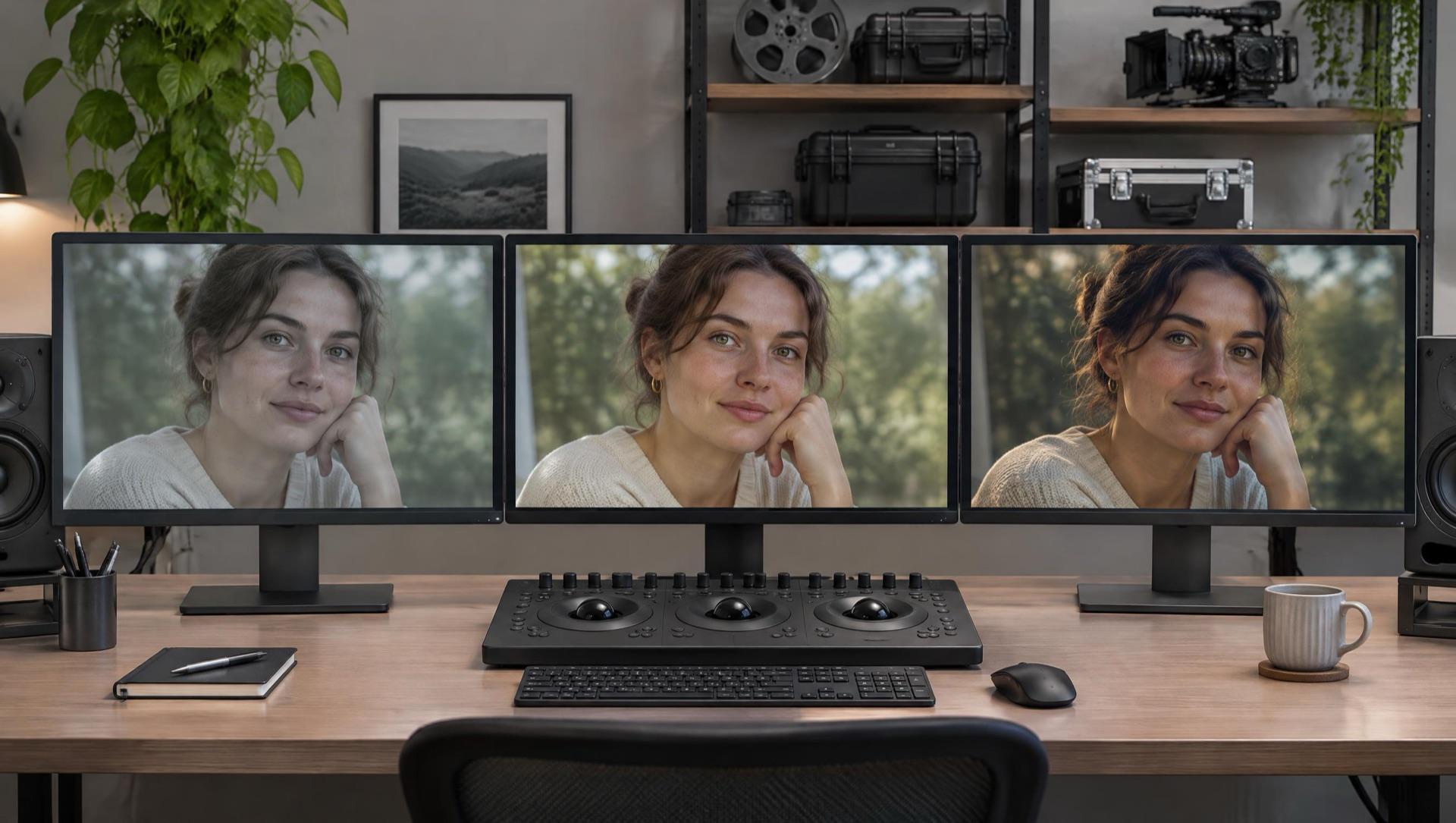
Lip sync: we compared 4 tools for making a character talk
Same face, same script, same voice. We studied the lips frame by frame to find out which tool fools the eye best.
Sample article. The facts, figures and quotes below are made up: they only show the layout before launch.
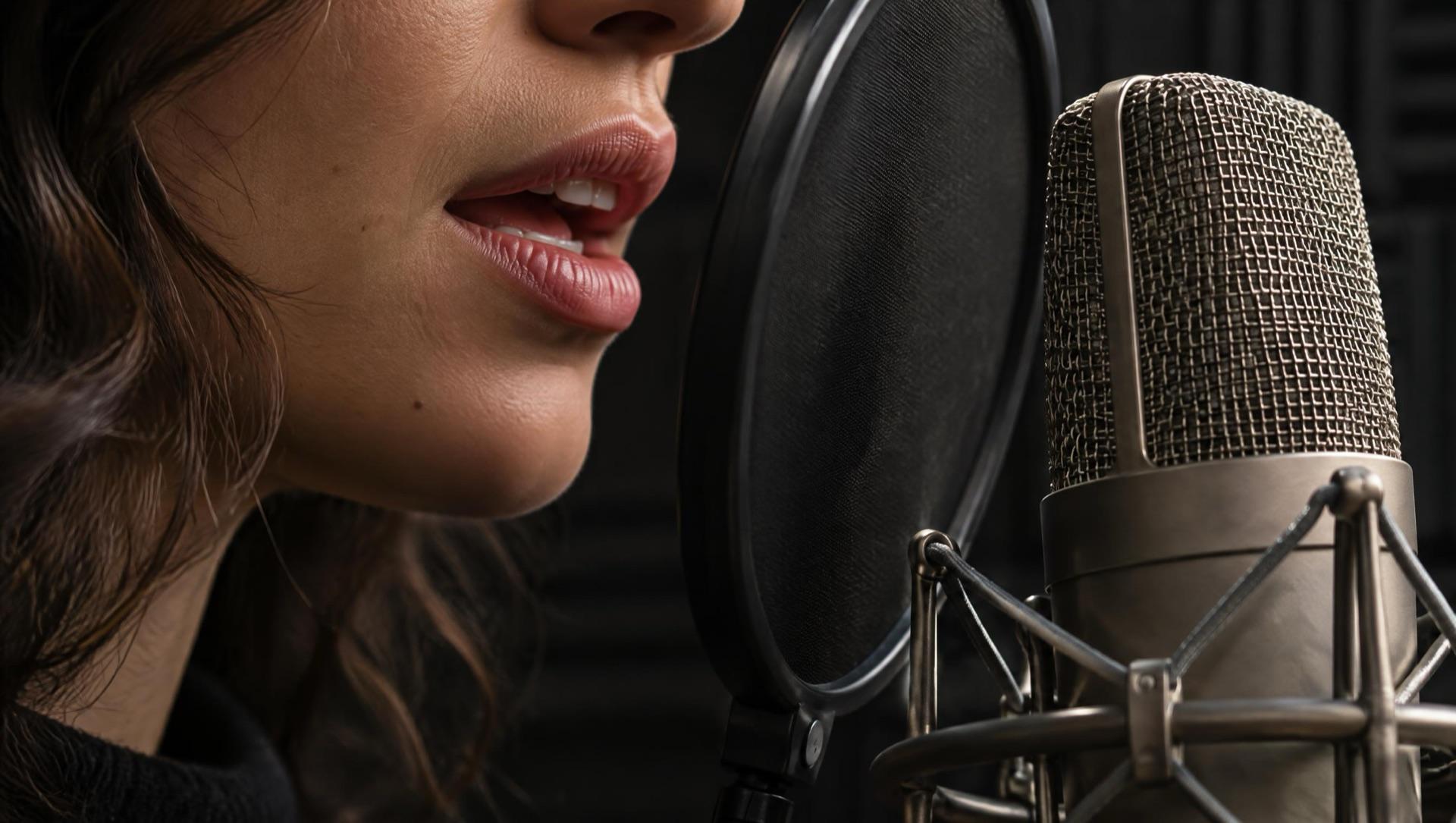
If a character's lips don't follow the voice, the whole film falls apart. We compared four tools on the same twelve-second line of dialogue, in French.
Our method
One character image, one recorded voice, and a script chosen for its traps: lots of b, m, and p sounds, which force the mouth to close completely.
What we saw
Facing the camera, two of the four tools produce a result an unsuspecting viewer wouldn't notice. At three-quarter view, only one is left. In profile, none of them is truly convincing.
Our staging advice
Write your scenes around this limitation: dialogue in static shots, with the character facing the camera or turned slightly away. Save head movements for moments when the character isn't speaking.
7.9/10
Our verdict
Lip sync is now believable in a static shot. As soon as the head turns, there's still work to do.
What we like
- Convincing results when facing the camera
- A few minutes is enough for one shot
What we like less
- French is less accurate than English
- Profile and three-quarter views are still shaky
Sources
This article was prepared with the help of AI, then checked and approved by Victor Lignel. How we use AI