China's micro drama boom now runs on AI video, and live-action actors are losing work
More than 90% of China's new micro dramas in 2026 were made with AI, ABC News reports from Shenzhen. Output has soared, actors say roles have dried up, and under 0.4% of titles break out.
Contents
More than 90% of the micro dramas released in China in 2026 were made with AI, and the actors who used to fill those vertical series are running out of work. That is the picture in a report published on November 28 by ABC News, filed from Shenzhen by China correspondent Allyson Horn and Kat Tse. For anyone who makes short-form fiction, it shows what happens when AI video becomes the default production method for an entire format.
The numbers behind the shift
Micro dramas are short serialized episodes built for phones, usually free at first and ending on a cliffhanger, with viewers paying to watch the rest. According to ABC, government figures show about 1,600 new AI micro dramas launched every day in the first half of 2026, while AI-made titles were nearly non-existent the year before. Earlier figures from China's broadcast regulator, the National Radio and Television Administration (NRTA), reported by Clubic in September, put the total at about 430,000 micro series in the first eight months of the year, 13 times the previous year's total.
| Figure | Value | Source |
|---|---|---|
| Share of new micro dramas made with AI (2026) | More than 90% | ABC News; NRTA via Clubic |
| New AI micro dramas per day (first half of 2026) | About 1,600 | Government figures cited by ABC News |
| AI short dramas produced (first half of 2026) | 220,000 | Zhu Zhili, AI micro drama developer, to ABC News |
| Titles that "broke out" (100 million views or profit) | About 1,000, under 0.4% | Zhu Zhili, to ABC News |
| Reported production cost vs live action | About one-tenth | AI creators cited by ABC News |
| Views for one of 2026's biggest hits | 6.08 billion | ABC News |
The "made with AI" label covers a wide range. Clubic notes that the NRTA figure includes everything from AI assistance on a few production steps to series that are almost entirely generated. ABC describes the new wave as AI-generated "including the actors, voices and scenes." Neither source gives a breakdown between the two.
What the actors say
ABC spoke to Oksana, a 26-year-old micro drama actor who until recently was booked back to back. "Many of the companies I used to know and work with have switched to AI and no longer shoot live-action dramas," she told the broadcaster. Liu Yuzhan, a social media user quoted by ABC who now works as a delivery driver, said that "nearly all my peers stopped getting call sheets" once AI became widespread.
Oksana also admits she is hooked on AI dramas and falls asleep listening to them. She still believes there is room for human performers in longer formats: "AI is formulaic and can't convey emotion," she told ABC. Many of her peers, she said, have moved to livestreaming.
Cheap to make, hard to profit
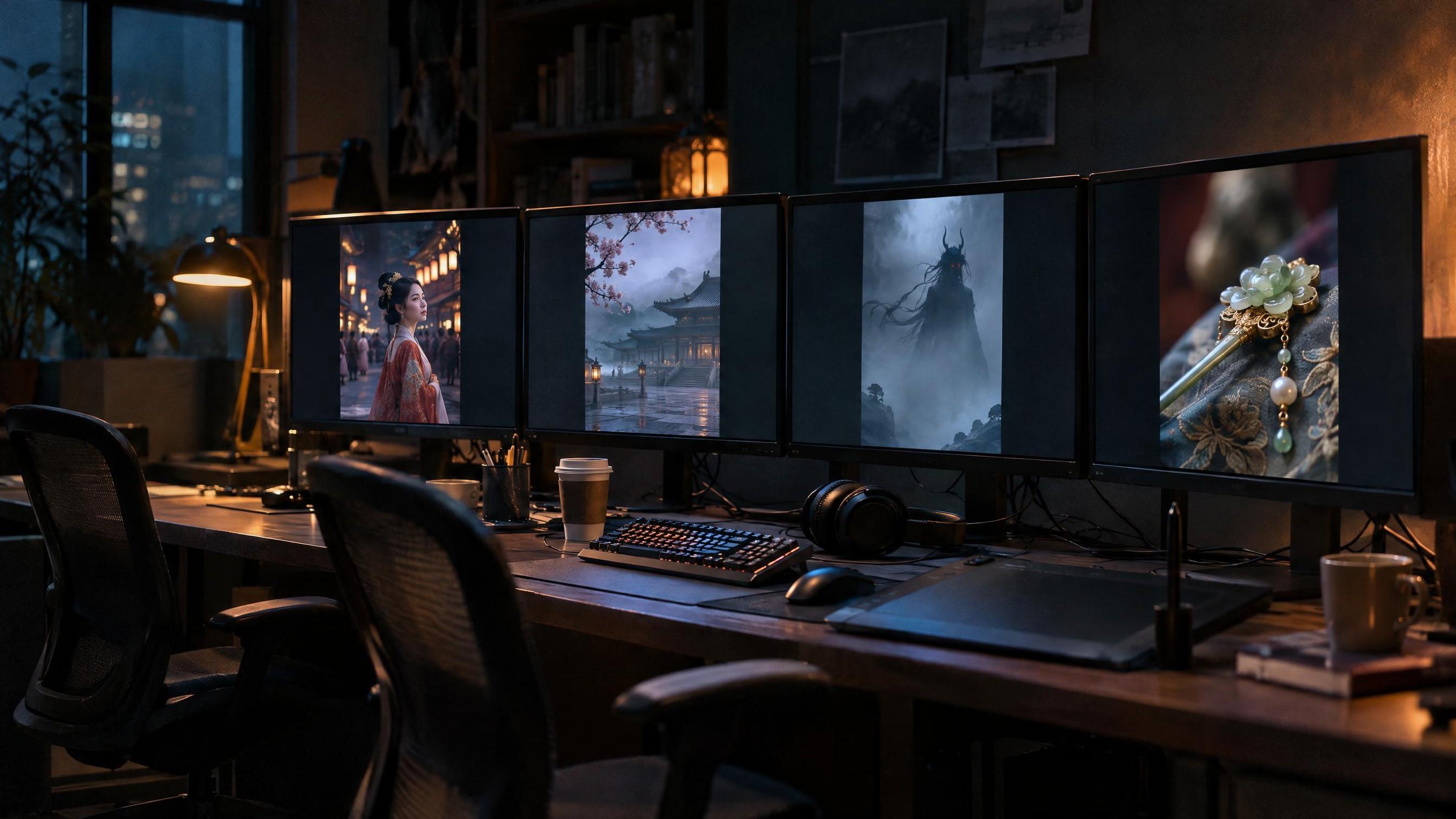
Zhu Zhili, an AI micro drama developer interviewed by ABC, describes a pipeline run by a very small team: AI for pictures, storyboard generation, audio, music and voiceover. Volume has exploded, but returns have not followed for most producers. "In the first half of this year, China produced a total of 220,000 AI short dramas, which is an enormous number," he said. "But on the other hand, only about 1,000 of them truly broke out, meaning they succeeded, passed 100 million views, or made money, a share of less than 0.4 per cent."
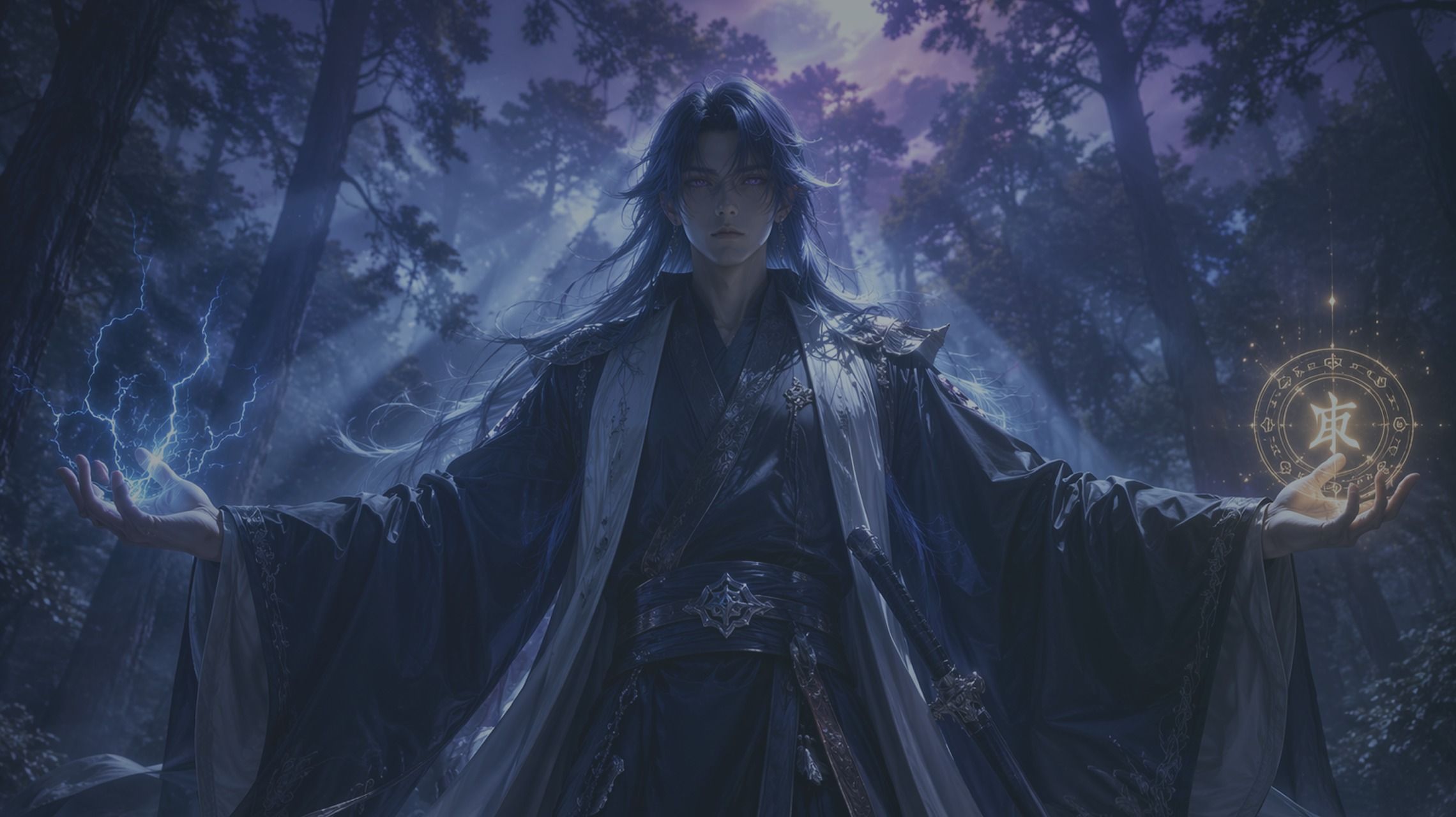
The genres are familiar to anyone who scrolls vertical drama apps: fantasy, underdog stories, romance, time travel and urban dramas. One of the year's biggest hits, according to ABC, follows a woman who wakes up in the Tang dynasty and gains power by slaying demons, and has drawn 6.08 billion views. The state is backing the format. ABC reports that China's current five-year plan lists micro dramas as an emerging form of "cultural business" to be actively developed.
The tools that made it possible
ABC links the speed of the change to the release of ByteDance's Seedance 2.0 video model. ByteDance has since packaged the whole workflow. Its Dreamina app opened Drama Studio to users outside China on November 9, after its Chinese counterpart Jimeng launched a similar studio on October 26. Users upload a script or ask an AI scriptwriter for one, define characters and scenes from reference images or prompts, and generate connected episodes in a chosen style and aspect ratio, including 9:16 for vertical series. According to Dreamina's announcement, a "Remaster & Restyle" mode can also take an existing short drama and regenerate its visuals for a different style or market while keeping the original pacing.
Dreamina has not published a per-episode or per-series price for Drama Studio, and the product page does not list the countries where it is available.
Long-form is next. Clubic reports that "The Later Journey to the West," a 30-episode series of roughly 40-minute episodes made without filmed actors, premiered on August 31 on Mango TV and Hunan Satellite TV.
What it means for video makers elsewhere
For creators outside China, the micro drama market is a preview of what a mature AI production line looks like: tiny teams, very high output and a hit rate below 1%. The tools that power it, from Seedance to Dreamina, are already sold internationally. The open questions are the same ones raised in our look at the AI director as a new profession: who gets paid when a series no longer needs a cast, and how producers stand out when thousands of titles launch every day. ABC's report does not include figures on how many actors have left the industry.
Sources
This article was prepared with the help of AI, then checked and approved by Victor Lignel. How we use AI